Should You Invest When Markets Are at Record Highs?
When investment markets reach record highs, it is natural to wonder whether it is still a good time to invest.
You might have money sitting in savings, be considering investing a lump sum or simply be making regular contributions towards your retirement.
But when markets have already experienced strong growth, putting more money in can feel risky.
What if prices fall next month? Would it be better to wait until the market drops?
These are reasonable questions. However, waiting for the perfect time to invest is not always as sensible as it might seem.

Why record highs are more common than you think
When we hear the words "all-time high", we tend to think of something unusual.
In sport, breaking a record is a significant achievement. It might take years before someone comes along and beats it.
Investment markets work a little differently.
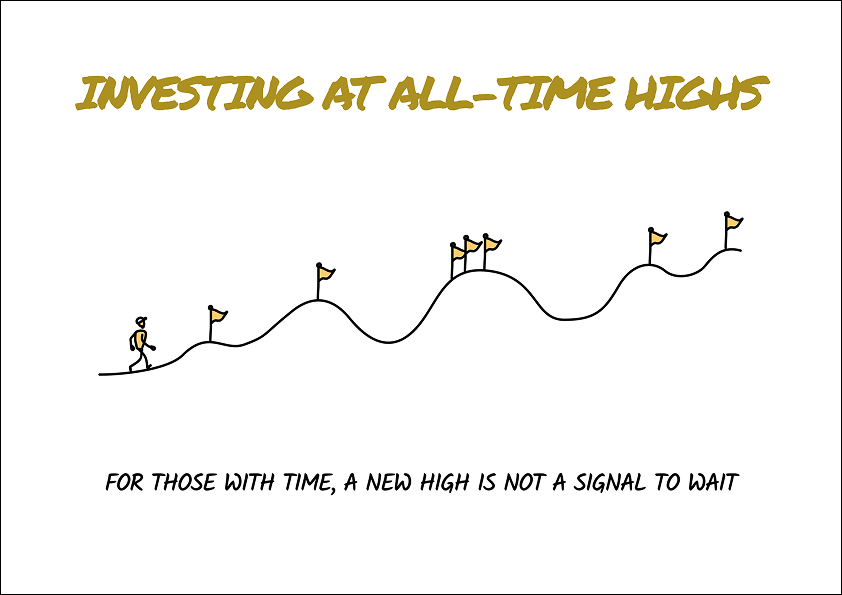
Over long periods, share markets have generally trended upwards, although not in a straight line. As businesses grow, earnings increase and economies develop, markets have the potential to reach new highs along the way.
That means record highs are not necessarily unusual. They can be a normal part of long-term market growth.
Of course, reaching a new high does not mean markets will continue rising tomorrow, next month or even next year.
Market downturns are inevitable, and predicting exactly when they will happen is extremely difficult.
The important thing to understand is that a market reaching a record high does not automatically mean it is about to fall.
The problem with waiting for the right moment
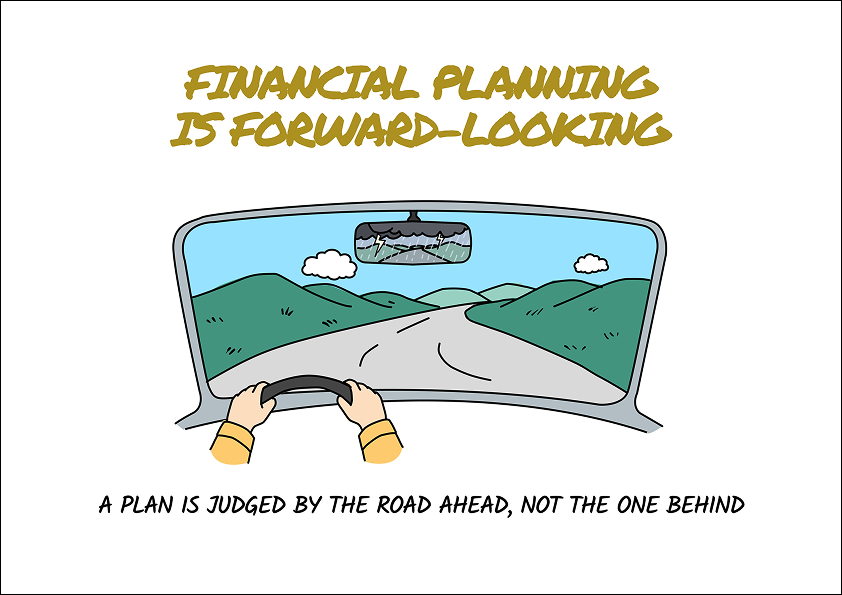
Holding off until markets fall can feel like a sensible strategy.
After all, why invest today if you might be able to buy the same investments at a lower price in a few months?
The challenge is that nobody knows when that opportunity will arrive.
Markets could continue rising for another year before experiencing a downturn. And even if prices eventually fall, they may still be higher than they were when you first decided to wait.
Meanwhile, the money you have kept on the sidelines has missed out on any growth or investment income that may have occurred during that period.
There is also another challenge.
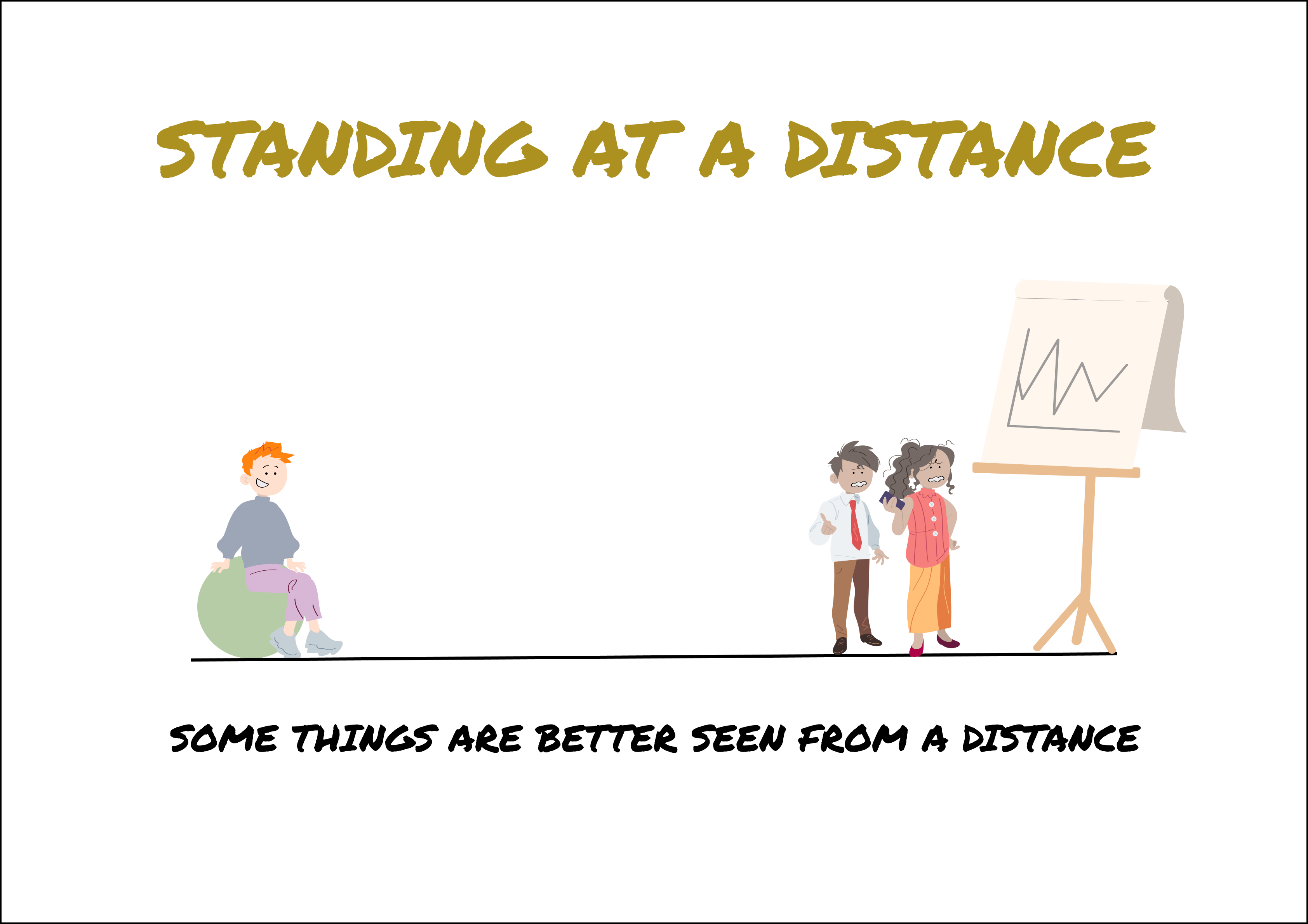
When markets do fall, investing often becomes even more uncomfortable.
Headlines turn negative, uncertainty increases and suddenly the opportunity you were waiting for does not feel quite so appealing.
Instead of investing, you might find yourself waiting for prices to fall further.
Before long, trying to find the perfect entry point can become an ongoing cycle of hesitation.
Focus on time in the market, not timing the market
One of the most important parts of investing is understanding when you will need access to your money.
Money you are planning to use in the next year or two should generally be treated differently from money you are investing for retirement in twenty years.
Your investment timeframe, financial goals and ability to manage market fluctuations should all influence how your money is invested.
For long-term investors, consistently contributing to a diversified portfolio can be more practical than trying to predict the next market movement.
Regular investing also means you are purchasing investments at different prices over time, rather than relying on one particular moment.
And when money is invested for longer, it has more opportunity to benefit from compounding, where investment returns can begin generating returns of their own.
That does not remove investment risk or guarantee a positive outcome.
But it shifts your attention away from short-term market movements and back towards the things you can actually control.
What if you have a large amount to invest?
Investing a significant lump sum can feel different from making smaller monthly contributions.
Even when you understand the benefits of long-term investing, committing a large amount of money when markets are at record highs can be uncomfortable.
There are different ways to approach this.
For some investors, investing the full amount promptly may make sense, particularly when the money is intended to remain invested for many years.
For others, gradually investing the money over a predetermined period may feel more manageable.
For example, rather than investing $60,000 at once, you might decide to invest $10,000 each month over six months.
This approach does not guarantee a better return. In rising markets, investing gradually can mean missing out on some growth.
However, having a clear schedule can help reduce the temptation to make decisions based on daily headlines or short-term market movements.
The important part is choosing an approach that aligns with your financial plan, rather than reacting to what markets are doing at the time.
Keep your financial plan in focus
There will always be reasons to feel uncertain about investing.
Markets will reach new highs, experience downturns and move through periods where the next step feels difficult to predict.
But successful long-term investing is not about getting every decision perfectly timed.
It is about having a clear understanding of what you are working towards, choosing investments that suit your circumstances and maintaining a consistent approach through changing market conditions.
If you are investing towards retirement or another long-term goal, the question should not simply be whether markets are too high today.
A more useful question might be:
Does investing this money now make sense for my goals, timeframe and overall financial position?
At Firstlight Financial Planning, we believe investment decisions should always support the bigger picture of your financial life.
Because while market conditions will continue to change, having a plan you understand and feel confident following can help you make better decisions along the way.
The value of investments and any income from them can fall as well as rise. You may not get back the full amount invested. Past performance should be used as a guide only and is not a guarantee of future performance.
Different investors will view these trade-offs differently depending on their objectives, time horizon and attitude to risk. If you would like to discuss how this relates to your own circumstances, please speak to us.
*Main image from HUM