Retirement Is About More Than Having Enough Money
For many people, retirement is something they have spent decades working towards.
The idea of having more freedom, fewer commitments and the ability to spend time doing the things you enjoy can be incredibly appealing.
But when retirement starts getting closer, the questions often become more serious.
Have I saved enough? Can I afford to stop working? Will my money last?
These are important questions, and understanding your financial position is a significant part of preparing for retirement.
But there is another question that deserves just as much attention.
What will your life actually look like once you stop working?
Because being financially ready for retirement and feeling ready for retirement are not always the same thing.

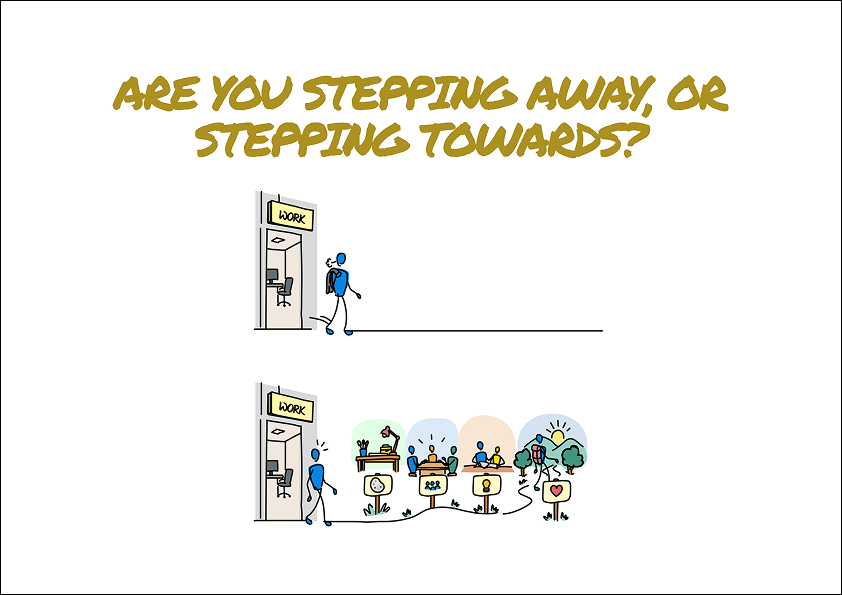
Are you retiring from something or towards something?
When people begin thinking seriously about retirement, it is often because they are ready for a change.
Perhaps work has become more demanding, the long hours are taking their toll or the daily routine simply does not feel as rewarding as it once did.
For others, the feeling develops gradually. After decades of working, they are ready to have more control over how they spend their time.
And there is nothing wrong with that.
But when the main motivation for retirement is getting away from work, it can be easy to overlook some of the things that work has provided over the years.
Beyond the income, work often gives us structure, social interaction, a sense of achievement and something to focus our energy on.
When those things suddenly disappear, retirement can feel very different from what we imagined.
You might have the financial freedom to do almost anything, but find yourself unsure what you actually want to do.
That is why we believe planning for retirement should involve more than deciding when you can afford to finish working.
It should also involve thinking about what you are looking forward to.
What will give your retirement meaning?
A fulfilling retirement looks different for everyone.
Some people want to travel, spend more time with family or enjoy a slower pace of life.
Others want to stay busy, learn new skills, contribute to their community or continue working in some capacity.
There is no single formula for a successful retirement.
But there are a few important areas worth considering before you make the transition.
Having a routine
Work naturally creates structure in our lives.
We have places to be, responsibilities to manage and a reason to get up at a particular time each morning.
Without that routine, the days can begin to feel surprisingly similar.
Retirement gives you the opportunity to create a routine that works around the things you enjoy.
That might mean regular exercise, volunteering, playing golf, taking a class or setting aside particular days to spend with your grandchildren.
The goal is not to fill every hour of your week.
It is to have enough structure that your days continue to feel meaningful.
Staying connected
One of the things people can underestimate about leaving work is the social connection it provides.
Even if you are looking forward to leaving the workplace behind, you may still miss the conversations, friendships and sense of belonging that came with it.
Maintaining relationships becomes particularly important during retirement.
Joining a community group, catching up with friends, getting involved in a sporting club or spending more time with family can all help create those connections.
And while retirement may give you more free time, maintaining a social life often requires a little more effort than it did when you were working.
Finding a sense of purpose
For many people, their career has been a significant part of their identity.
It has provided opportunities to contribute, solve problems, achieve goals and feel valued.
Leaving that behind can take some adjustment.
But having a sense of purpose does not need to come from paid employment.
You might enjoy mentoring someone starting out in your industry, volunteering for an organisation you care about, helping your family or becoming involved in your local community.
What matters is finding something that gives you a sense of contribution and personal satisfaction.
Keeping your mind active
Retirement might mean stepping away from the demands of work, but that does not mean you need to stop challenging yourself.
In fact, having more time can create opportunities to explore interests you never had the chance to pursue.
Learning a language, studying something new, taking up a musical instrument or trying a different sport can all provide a sense of achievement.
For some people, even continuing to work part-time or taking on occasional consulting projects can provide the right balance.
The important thing is finding activities that keep you interested, engaged and looking forward to what comes next.
You do not have to stop everything at once
Retirement is often viewed as a single event.
One day you are working, and the next you are retired.
But it does not necessarily have to happen that way.
For some people, gradually reducing their working hours can make the transition easier.
Others may choose to move into a less demanding role, take on occasional projects or explore a different type of work altogether.
A gradual approach can provide an opportunity to experience what retirement might feel like while maintaining some of the structure and connection that employment provides.
Of course, whether this is possible will depend on your financial circumstances, employment arrangements and personal preferences.
But it is worth remembering that retirement does not always have to be an all-or-nothing decision.
Planning for the life you want to live
When we help clients prepare for retirement, understanding the numbers is an important starting point.
We want to help you understand how your superannuation, investments, savings and other income sources may support your lifestyle over time.
But those numbers become much more meaningful when we understand what you actually want your retirement to look like.
Do you want to travel regularly?
Would you like to spend more time with your children and grandchildren?
Are there hobbies, experiences or personal goals you have been putting off?
Or are you simply looking forward to having more flexibility and fewer commitments?
The answers can influence how much money you need, when you might choose to retire and how your financial plan should be structured.
Because the goal of retirement planning is not simply to reach a number. It is to create the freedom to enjoy the next stage of your life.
Looking beyond your final working day
A successful retirement is not measured only by how much money you have accumulated.
It is also about how you spend your time, the relationships you maintain and the sense of purpose you carry into the next chapter.
Being financially prepared can provide confidence and flexibility.
But having something meaningful to look forward to can make the transition even more rewarding.
At Firstlight Financial Planning, we believe retirement planning should always consider both sides.
The financial position that allows you to step away from work, and the life you are excited to step towards.
So as you begin thinking about when you might retire, consider asking yourself one more question.
Am I simply ready to stop working, or am I ready to start the next chapter?
The value of investments and any income from them can fall as well as rise. You may not get back the full amount invested. Past performance should be used as a guide only and is not a guarantee of future performance.
Different investors will view these trade-offs differently depending on their objectives, time horizon and attitude to risk. If you would like to discuss how this relates to your own circumstances, please speak to us.
*Main image from HUM